


A Practical Guide for Engineering, Procurement & Operations Teams
Introduction
In Oil & Gas operations, valves and fittings are critical components that control flow, ensure safety and maintain system reliability. The wrong selection can result in leaks, corrosion, downtime and costly failures. This guide highlights essential engineering factors to consider when selecting valves and fittings for critical applications.
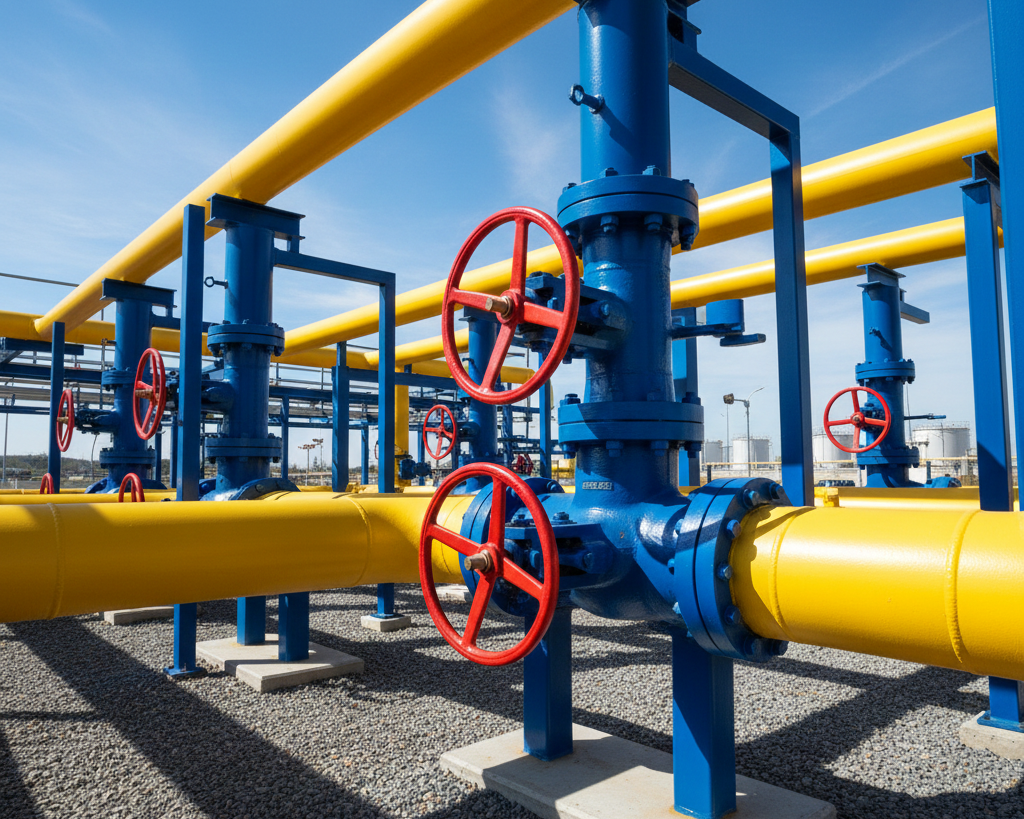
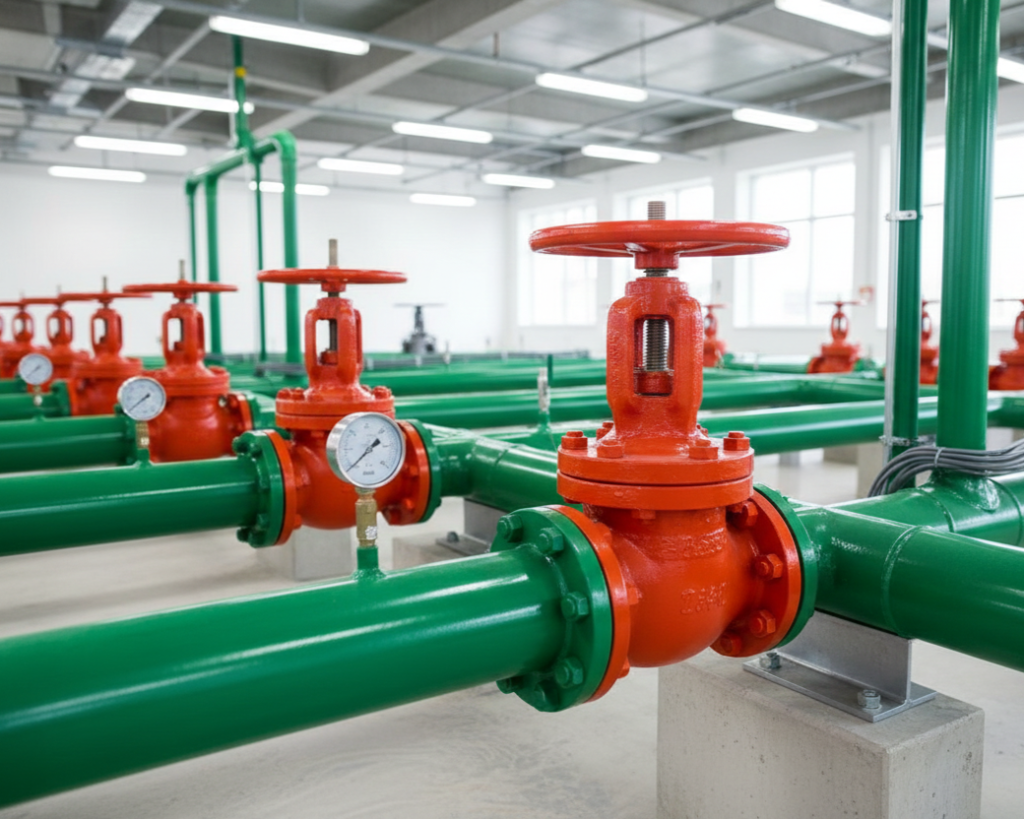
1. Understand Your Operating Conditions
Accurate process data is the foundation of proper valve selection. Assess:
- Pressure and temperature range
- Medium type (oil, gas, chemicals, steam)
- Flow control function (on/off, throttling, isolation)
- Corrosion or erosion risks
These parameters determine valve design, material grade and pressure class.
2. Choose the Correct Valve Type
Each valve type serves a specific function:
- Gate Valves – On/off isolation with minimal pressure drop
- Globe Valves – Precise flow regulation
- Ball Valves – Tight shutoff and fast operation
- Check Valves – Prevent reverse flow
- Safety & Relief Valves – Overpressure protection
Correct valve configuration prevents performance issues and operational damage.
3. Select the Right Material
Materials must withstand harsh service conditions:
- Carbon Steel – High pressure, cost-effective
- Stainless Steel – Corrosion resistance
- Duplex / Super Duplex – Offshore and high-chloride environments
- Nickel Alloys – High temperature and sour service
Proper material selection extends lifespan and reduces maintenance.
4. Ensure Compliance with Global Standards
Always verify certification:
- API, ASME/ANSI, ISO
- NACE MR0175 / ISO 15156 for sour service
Compliance ensures safety, compatibility and regulatory approval.
5. Choose Proper Connection Types
End connections affect safety and maintenance:
- Flanged
- Threaded
- Socket weld / Butt weld
Correct selection improves system integrity and reduces leak risks.
6. Consider Environmental Conditions
Evaluate site-specific factors such as:
- Offshore salinity
- Extreme temperatures
- Vibration exposure
- Fire-safe requirements
Enhanced protection improves durability and plant safety.
7. Work With a Qualified Industrial Supplier
A reliable supplier ensures:
- Certified, traceable components
- Technical support for sizing and specification
- On-time delivery and documentation
- After-sales service and field support
Eco Experts SPC supplies certified valves, fittings, manifolds, gauges and pressure protection systems backed by global manufacturers and stringent quality control.
Conclusion
Careful selection of industrial valves and fittings is essential for safe, efficient and compliant Oil & Gas operations. Understanding application needs, choosing proper materials and partnering with trusted suppliers significantly improves reliability and asset performance.
Eco Experts SPC is ready to support your next project with expert guidance and high-quality engineering supply solutions.
